Force feedback (FFB) explained simply
Force feedback passes the load the car is under in the game on to the wheel. What the signal contains, what distorts it, and the settings that actually matter.
Force feedback (FFB) is the effort the base applies to the wheel so you feel what the car is going through in the game. At every moment the simulator computes a steering torque from its physics model, and the base reproduces it with its motor. A good setting aims to lose nothing the signal contains, which rarely means the highest force.
Where the effort at the wheel comes from
In a real car, most of the effort felt at the wheel comes from the front tyres. In a corner they tend to straighten themselves out, and that tendency travels up the steering. It varies with grip: as the tyre nears its limit, the effort drops. The wheel goes light just before the car starts to understeer.
That is the most useful information force feedback carries, because it arrives before the line degrades on screen. A simulator that models its tyres finely passes it on, and it is what a driver learns to read.
What else the signal contains
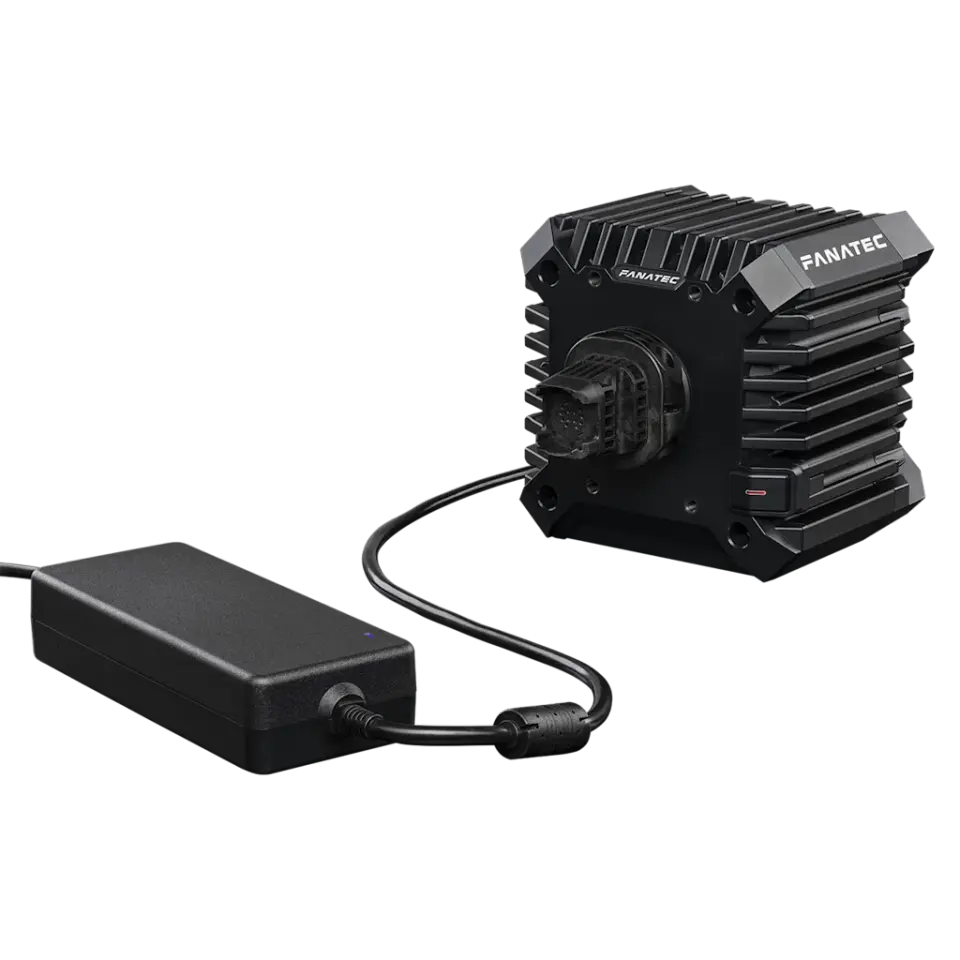
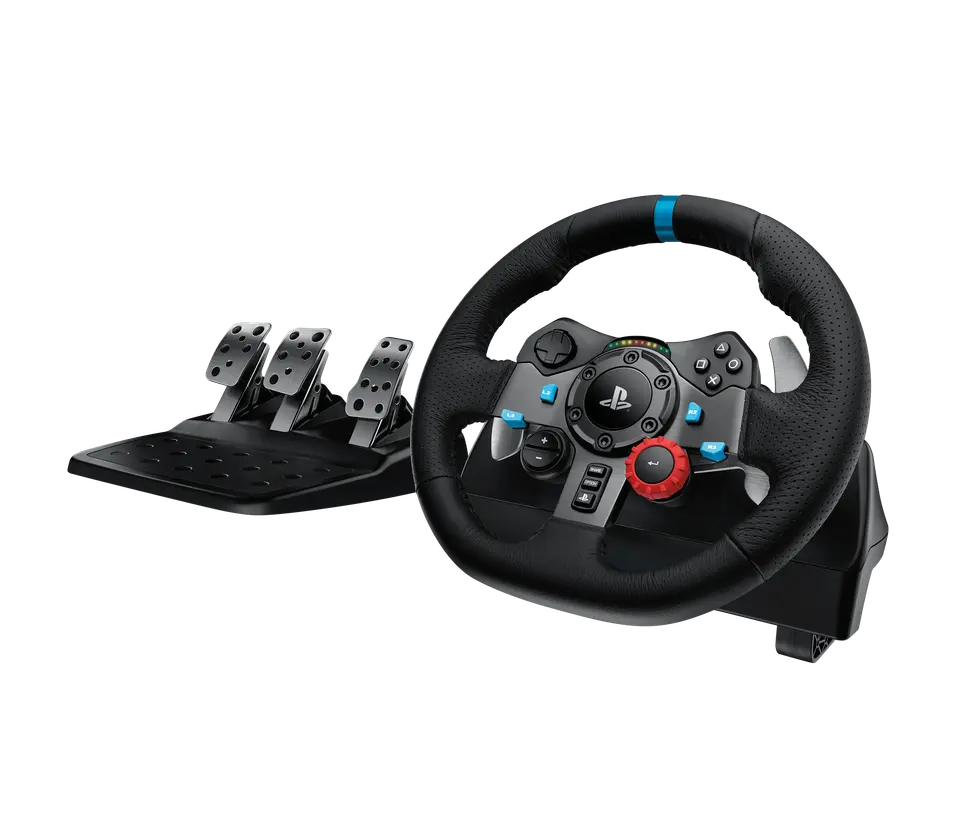
The same signal carries the road: bumps, kerbs, changes of surface, and the jolts of a contact or an off. Some bases layer effects drawn from the game's telemetry on top, such as engine vibration. Fanatec calls this technology FullForce, Logitech TRUEFORCE. These effects are layered on top of the force feedback the game computes.
Clipping
A base has a maximum torque. When the game asks for more, the signal is cut at that maximum: during those moments the wheel stays heavy and uniform, and the variations that announce a loss of grip disappear. It happens precisely in fast, loaded corners, where the information matters most.
To avoid it, lower the gain until the strongest efforts stay below the base's maximum. A slightly weaker but complete force is better than a stronger one that clips. That is also why a more powerful base helps even if you never drive at its full torque: it leaves headroom above the peaks. Our guide how many Nm do you really need gives benchmarks by use.
The settings that matter
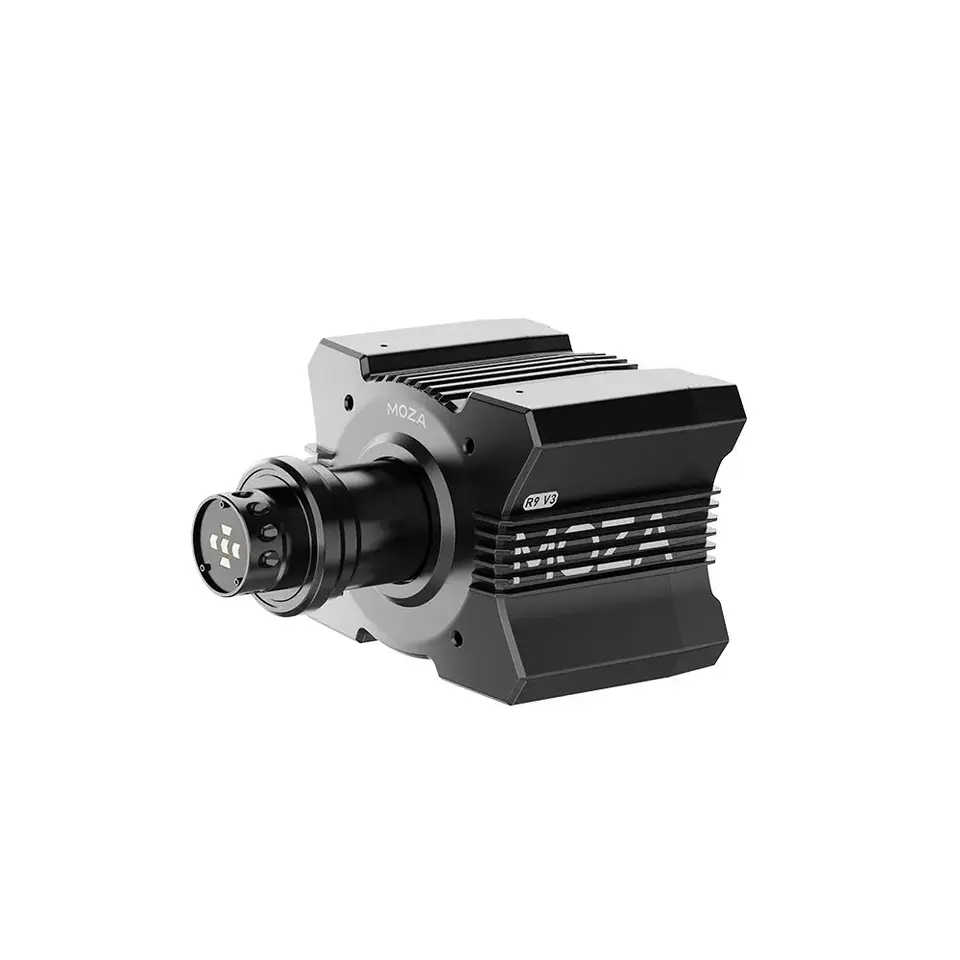
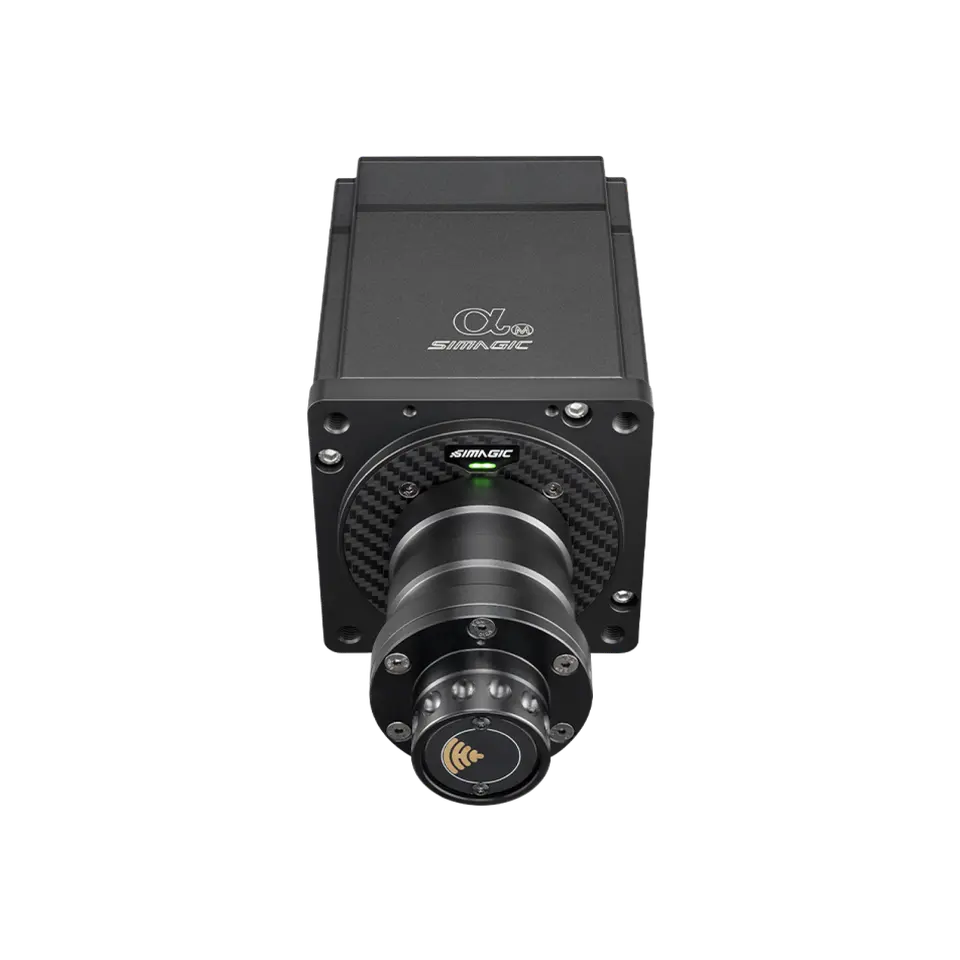
Gain is set in two places, in the game and in the base's software (Fanatec App, MOZA Pit House, Simagic SimPro Manager, Logitech G HUB or Asetek RaceHub depending on the brand). The two combine: change only one at a time, and write down the starting value.
Manufacturer software also offers filters, such as damping, friction or inertia. They add resistance or smooth the signal. A little damping calms a powerful direct drive base when the wheel is let go; too much filtering erases the detail you chose that base for. Start from the manufacturer's neutral settings and only add a filter to correct a flaw you can feel.
Hardware decides what reaches your hands
A gear or belt base passes the signal through a reduction, which absorbs part of it. A direct drive base mounts the wheel on the motor shaft and passes it on with nothing in between: our guide to direct drive details the difference. The support matters just as much: a desk or a cockpit that flexes absorbs the small variations in the signal, and our guide cockpit or wheel stand helps you choose.
This article contains links to retailers. See our affiliate disclosure page.
Products mentioned